
Rodent Infestations in Residential Buildings: Risks, Damage and Legal Responsibilities

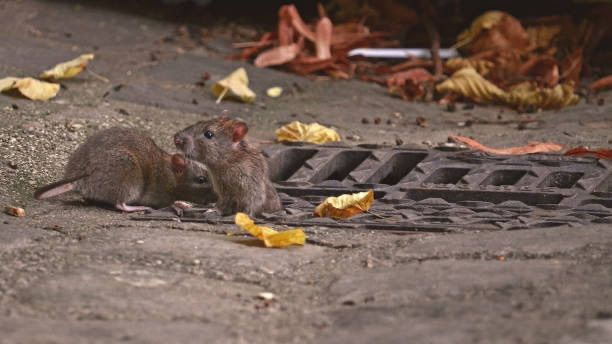
Rodent infestations in residential buildings can create serious problems for landlords, housing providers and property managers. Rats and mice are commonly attracted to apartment blocks, housing estates and shared residential buildings where access to food, waste storage areas and drainage systems allows infestations to establish quickly.
If rodent activity is not identified and controlled early, the issue can spread between properties and lead to property damage, health risks and significant tenant complaints.

Why Rodents Are Common in Apartment Blocks and Housing Stock
In residential buildings such as flats and housing estates, rodents often enter properties through shared infrastructure.
Common areas where activity begins include:
* Bin stores and refuse areas
* Drainage systems and broken pipework
* Service risers and ducting between properties
* Structural gaps around buildings
* Loft spaces, wall cavities and service voids
Because many of these areas are connected throughout the building, rodents can move easily between individual properties if the issue is not addressed quickly.
Damage Caused by Rats and Mice in Buildings
Rodents cause damage by constantly gnawing to keep their teeth worn down. As a result they will chew through a wide range of materials within buildings.
Damage commonly caused by rodents includes:
* Chewed electrical wiring which can increase fire risk
* Damaged pipework and drainage systems
* Insulation damage within walls and loft spaces
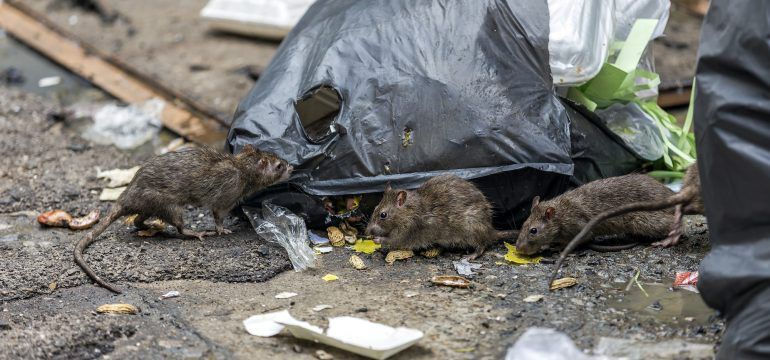
* Contamination of stored items and waste areas
* Damage to timber, plasterboard and building materials
In larger residential blocks, rodents may also establish nesting areas within wall cavities, floor voids or plant rooms which allows infestations to persist unnoticed for long periods.
Health Risks Associated with Rodent Activity
Rodents are known carriers of several diseases that can pose risks to human health, particularly in residential environments where activity occurs close to living areas.
Potential health risks associated with rodent infestations include:
* Leptospirosis (Weil’s disease)
* Salmonella contamination
* Hantavirus
* E. coli bacteria spread through contamination
These risks can arise through contact with rodent droppings, urine, contaminated surfaces or food sources.
In apartment blocks or housing estates, the presence of rodents within communal areas or drainage systems can quickly become a wider public health concern if left untreated.
Tenant Complaints and Housing Management Challenges
Rodent infestations often result in increased tenant complaints and service requests, particularly within social housing or managed residential buildings.
Common issues reported by tenants include:
* Rodents entering kitchens or living spaces
* Activity within loft spaces or wall cavities
* Noise from rodents moving within structures
* Contamination of bin stores and communal areas
If infestations are not resolved quickly, they can impact tenant satisfaction, increase management costs and lead to involvement from environmental health departments.
Legal Responsibilities for Landlords and Housing Providers
Landlords and property managers have a duty to maintain properties in a safe and habitable condition.
Several areas of UK legislation may apply when rodent infestations occur within residential buildings.
Prevention of Damage by Pests Act 1949
This legislation places a responsibility on property owners and occupiers to prevent land or buildings from becoming infested by rats or mice.
Environmental Protection Act 1990
Pest infestations may be considered a statutory nuisance where they affect neighbouring properties or present a risk to public health.
Homes (Fitness for Human Habitation) Act 2018
Landlords must ensure that properties remain safe and suitable for occupation. Significant pest infestations may be considered a hazard affecting the condition of the property.
Failure to address ongoing pest issues may result in enforcement action from local authorities.
Identifying the Root Cause of Rodent Activity
Effective pest control is not simply about placing bait or traps. Long term rodent control requires identifying how rodents are entering buildings and addressing the conditions that allow infestations to develop.
This may involve:
* Property inspections to identify entry points
* CCTV drain surveys to locate drainage defects
* Proofing works to seal access points
* Environmental improvements around bin stores or waste areas
By addressing both the infestation and the underlying cause, rodent issues can be resolved more effectively and with a reduced risk of recurrence.
A Professional Pest Management Approach
Rodenticide is not always the first step when managing rodent activity. In many situations the focus is placed on investigation, proofing and environmental management before treatment is considered.
Professional pest control technicians may implement a structured approach that includes monitoring, targeted treatment where required and addressing the root cause of the infestation.
Pest Control Support for Residential Buildings
At SCS Facility Services, our in house pest control technicians support housing providers, managing agents and contractors with rodent control across residential buildings, housing estates and apartment blocks.
In addition to pest control treatments, we can also carry out CCTV drain surveys, proofing works and remedial repairs where required to address the underlying cause of rodent activity.
By delivering investigation, treatment and remedial works through one team, issues can often be resolved more efficiently and with a reduced risk of recurring infestations.
If you are experiencing rodent activity within residential buildings or housing stock, early investigation is key to preventing the issue from escalating.


Comments